

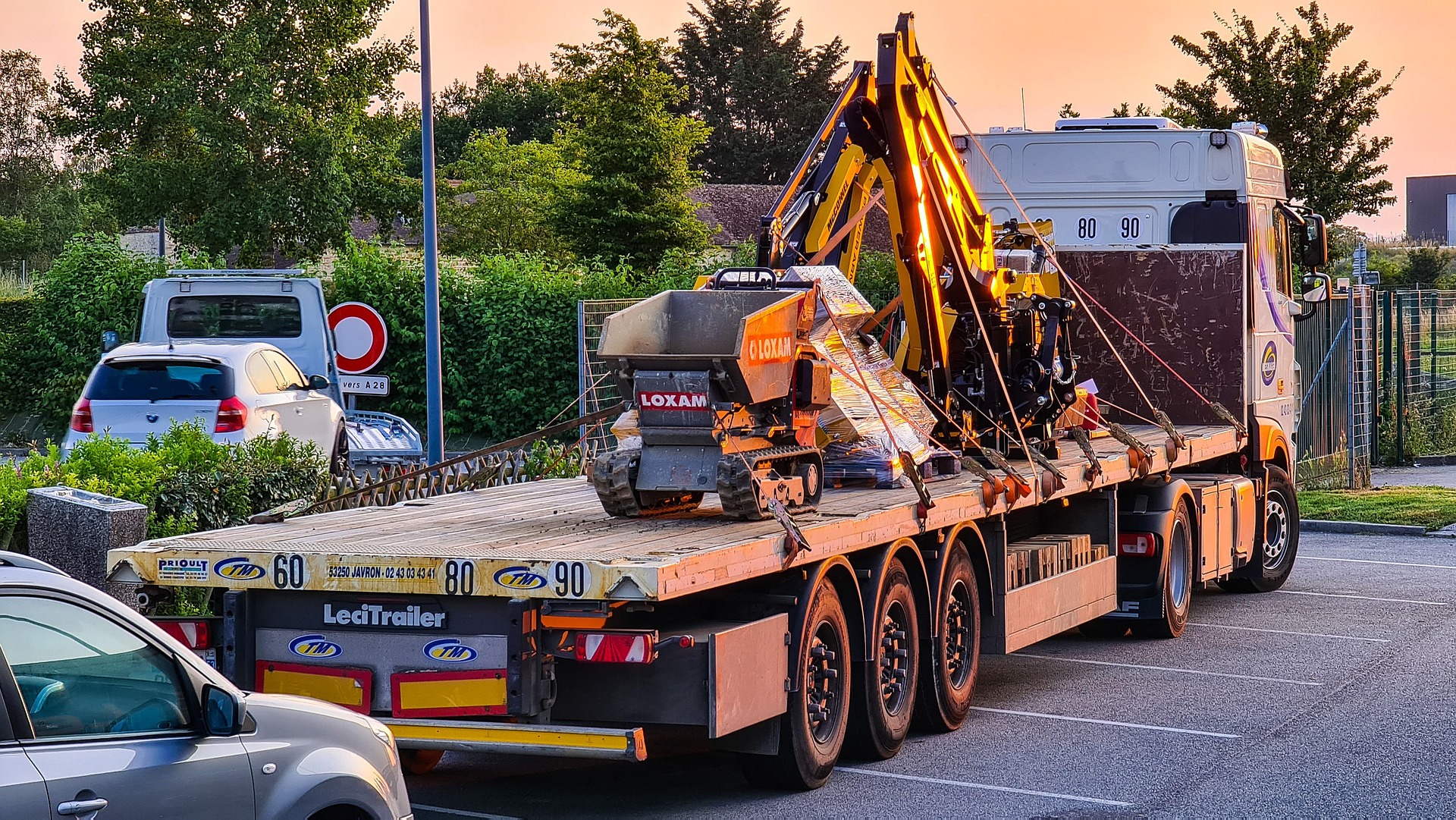
Autumn and Winter at Sea: Why Proper Cargo Securing Is Particularly Important
With the arrival of the colder months, weather conditions on European ferry routes also begin to change. Stronger winds, rougher seas and more unpredictable weather can make ferry crossings considerably more challenging. It is therefore particularly important to ensure that all freight units are properly prepared and adequately secured.
Proper cargo securing is an essential part of safe transportation by sea. It not only protects the transported goods against damage but also contributes to the safety of the entire freight unit, other cargo on board and the vessel’s crew.
Cargo Must Be Secured Independently of the Trailer Structure
In accordance with applicable regulations and the Approved Code of Practice (ACOP), cargo inside the trailer must be secured independently and adequately. Sideboards, doors or curtainsider tarpaulins must not be relied upon as the sole means of securing the load.
Depending on the type and weight of the cargo, suitable securing equipment such as lashing straps, shoring bars or dunnage bags must be used to prevent the goods from shifting or tipping over during transportation.
Lashing Points – An Essential Requirement for Ferry Crossings
In addition to securing the cargo, the equipment of the trailer itself plays a crucial role. To ensure proper securing on board, all freight units must be fitted with a sufficient number of suitable and load-bearing securing points – the so-called lashing points.
These points allow the vessel’s crew to safely secure the trailer on board using appropriate lashing equipment. They must be available in sufficient numbers, easily accessible and suitable for the forces they may be subjected to.
Missing, damaged or unsuitable lashing points may prevent a trailer from being properly secured and could therefore result in the unit not being accepted for shipment.
Working Together for Safe Transportation
Particularly during the autumn and winter months, special attention should be paid to cargo and vehicle securing. We therefore recommend that our customers regularly check both the securing of goods inside their trailers and the condition and availability of the required lashing points.
Careful preparation helps minimise risks, avoid potential delays and ensure that ferry crossings can be carried out safely.
Should you have any questions regarding cargo and vehicle securing requirements, please do not hesitate to contact us.